
I love how this Honey Balsamic Chicken turns simple ingredients into a glossy, restaurant-worthy dinner with juicy chicken and a sweet tangy glaze. One bite and you’ll see why it belongs on repeat.
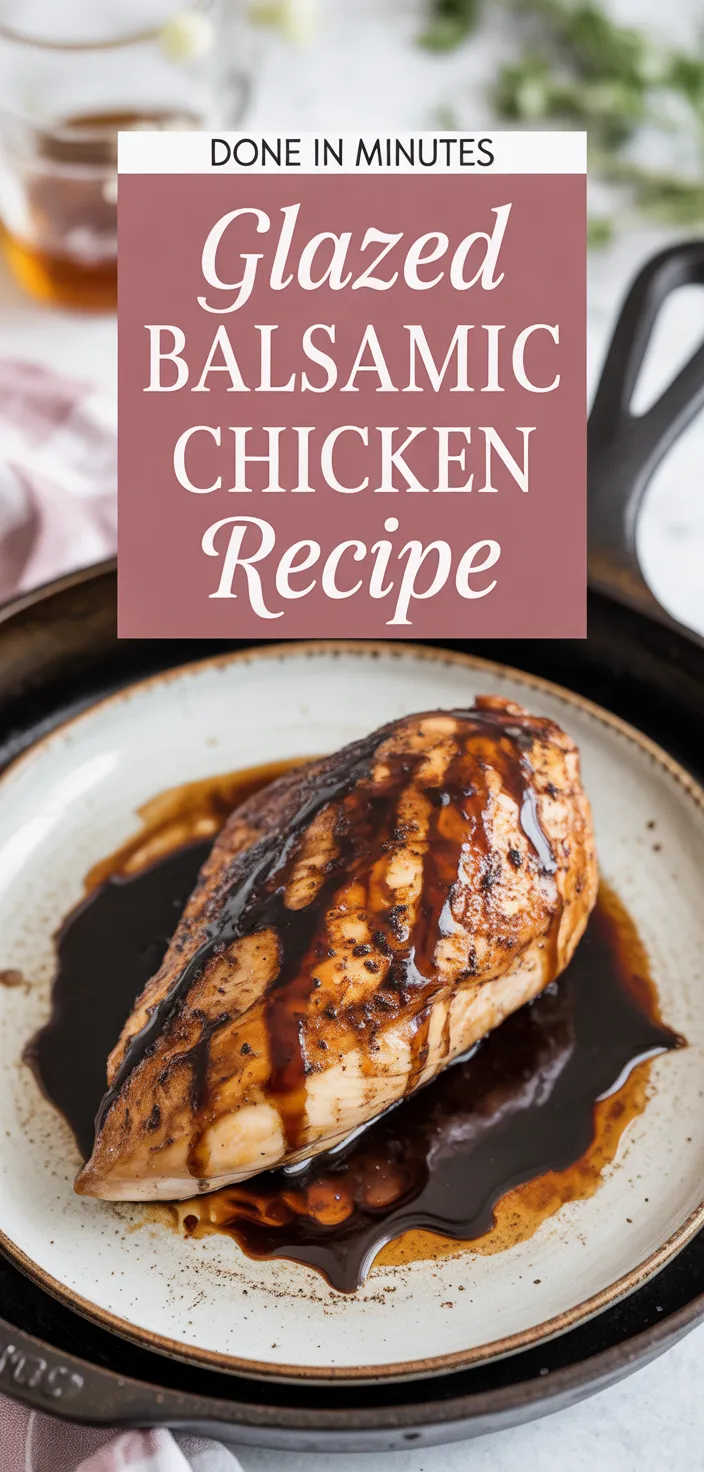
I’m obsessed with this glazed balsamic chicken because it hits that sweet-tangy spot without tasting fussy. The balsamic vinegar brings that sharp, glossy bite, and honey rounds it out just enough to make every slice feel bold and addictive.
I love how the chicken turns juicy, sticky, and deeply savory, with that dark glaze clinging to the edges like it knows exactly what it’s doing. But the best part?
It feels fancy without acting fancy. Just real dinner energy.
Big flavor, no drama. And when that glaze pools on the plate, I’m absolutely dragging every bite through it.
No regrets.
Ingredients
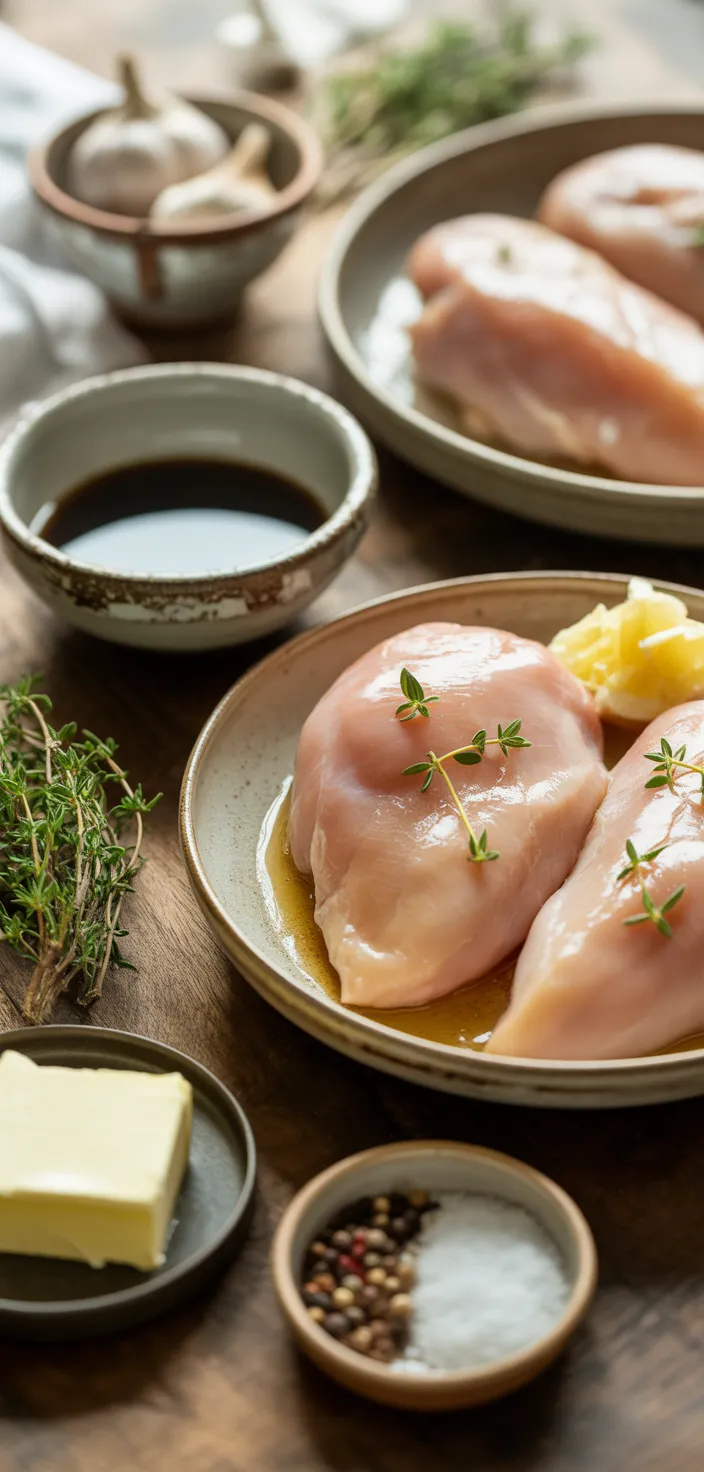
- Chicken breasts keep it lean, filling, and weeknight-friendly without feeling too heavy.
- Balsamic vinegar brings that tangy bite that makes the glaze pop.
- Honey adds sweetness, so the sauce gets sticky and glossy.
- Olive oil helps the chicken brown and keeps things from tasting dry.
- Garlic gives it that cozy, savory smell everyone notices first.
- Dijon mustard adds a little zip, not too sharp, just enough.
- Chicken broth loosens the sauce and makes it taste more homemade.
- Butter makes the glaze richer, smoother, and honestly way better.
- Kosher salt wakes everything up without making the dish taste salty.
- Black pepper adds a warm little kick in the background.
- Thyme brings an herby note that feels fresh but not fancy.
- Cornstarch is handy if you want a thicker, clingy glaze.
- Parsley adds color and a fresh finish.
Plus, it looks cute.
Ingredient Quantities
- 1 1/2 to 2 pounds boneless skinless chicken breasts (about 3 to 4 breasts)
- 1/3 cup balsamic vinegar
- 3 tablespoons honey
- 2 tablespoons olive oil, plus 1 tablespoon for cooking if needed
- 3 cloves garlic, minced
- 1 tablespoon Dijon mustard
- 1/4 cup low sodium chicken broth
- 2 tablespoons unsalted butter
- 1 teaspoon kosher salt
- 1/2 teaspoon freshly ground black pepper
- 1 teaspoon fresh thyme leaves or 1/2 teaspoon dried thyme
- 1 teaspoon cornstarch and 1 tablespoon cold water, optional for thickening
- 1 tablespoon chopped fresh parsley for garnish, optional
How to Make this
1. Pound chicken breasts to even thickness if needed, then season both sides with 1 teaspoon kosher salt and 1/2 teaspoon black pepper.
2. Whisk together 1/3 cup balsamic vinegar, 3 tablespoons honey, 2 tablespoons olive oil, 3 minced garlic cloves, and 1 tablespoon Dijon mustard in a bowl to make the marinade.
3. Place chicken in a shallow dish or zip top bag, pour half of the marinade over the chicken, reserve the other half for the sauce, and marinate at room temperature for 15 to 30 minutes or in the refrigerator for up to 2 hours.
4. Heat a large cast iron skillet over medium heat and add 1 tablespoon olive oil if the pan is not well seasoned. When oil shimmers, add the chicken and cook 5 to 7 minutes per side until golden and cooked through to an internal temperature of 165 F. Remove chicken to a plate and tent loosely with foil.
5. Pour the reserved marinade into the skillet and add 1/4 cup low sodium chicken broth. Scrape up any browned bits from the bottom of the skillet with a wooden spoon.
6. Stir in 2 tablespoons unsalted butter and 1 teaspoon fresh thyme leaves or 1/2 teaspoon dried thyme. Bring the sauce to a gentle simmer and cook 2 to 3 minutes to concentrate the flavors.
7. If you prefer a thicker glaze, whisk together 1 teaspoon cornstarch with 1 tablespoon cold water until smooth, then whisk it into the simmering sauce and cook 1 minute until glossy and thickened.
8. Return the chicken to the skillet, spoon the balsamic glaze over the breasts, and simmer in the sauce 1 to 2 minutes to reheat and coat.
9. Transfer chicken to a serving platter, spoon remaining glaze from the pan over the top, and garnish with 1 tablespoon chopped fresh parsley if desired.
Equipment Needed
1. Meat mallet or rolling pin (to pound breasts to even thickness)
2. Cutting board
3. Mixing bowl and whisk
4. Shallow dish or zip top bag for marinating
5. Cast iron skillet or heavy frying pan
6. Tongs and wooden spoon
7. Instant read thermometer
8. Small bowl or cup for mixing cornstarch slurry
9. Measuring cups and spoons plus kitchen foil for tenting
FAQ
Glazed Balsamic Chicken Recipe Substitutions and Variations
- Balsamic vinegar: use red wine vinegar or apple cider vinegar plus 1 teaspoon brown sugar to mimic sweetness and depth.
- Honey: substitute pure maple syrup or agave nectar in a 1:1 ratio; for a less sweet option use 2 teaspoons brown sugar dissolved into the sauce.
- Dijon mustard: swap in whole grain mustard or yellow mustard with a teaspoon of lemon juice or vinegar to brighten flavor.
- Low sodium chicken broth: use vegetable broth for a vegetarian option or dilute low-sodium beef broth 1:1 with water for a richer taste.
Pro Tips
1. Pound and pat the breasts dry before seasoning so they brown evenly and the marinade actually clings. Dry surface equals a better crust.
2. Marinate at room temperature for 15 to 30 minutes when short on time for faster, more even cooking; if you marinate longer, keep the chicken chilled and let it sit at room temp 15 minutes before cooking to avoid a cold center.
3. Get your skillet properly hot before the chicken hits the pan, and only add oil if the pan needs it. A good sizzle when the meat goes in means caramelization instead of steaming.
4. After cooking the chicken, remove it and build the sauce in the same pan. Scrape up the fond with the broth to add real depth, then finish with butter off the heat for a glossy, velvety glaze.
5. If you thicken the sauce, whisk the slurry well and add it gradually, simmering briefly until glossy. Spoon the sauce over the resting chicken and let it sit 2 minutes so juices redistribute and the glaze sets.
Glazed Balsamic Chicken Recipe
I love how this Honey Balsamic Chicken turns simple ingredients into a glossy, restaurant-worthy dinner with juicy chicken and a sweet tangy glaze. One bite and you’ll see why it belongs on repeat.
4
servings
485
kcal
Equipment: 1. Meat mallet or rolling pin (to pound breasts to even thickness)
2. Cutting board
3. Mixing bowl and whisk
4. Shallow dish or zip top bag for marinating
5. Cast iron skillet or heavy frying pan
6. Tongs and wooden spoon
7. Instant read thermometer
8. Small bowl or cup for mixing cornstarch slurry
9. Measuring cups and spoons plus kitchen foil for tenting
Ingredients
-
1 1/2 to 2 pounds boneless skinless chicken breasts (about 3 to 4 breasts)
-
1/3 cup balsamic vinegar
-
3 tablespoons honey
-
2 tablespoons olive oil, plus 1 tablespoon for cooking if needed
-
3 cloves garlic, minced
-
1 tablespoon Dijon mustard
-
1/4 cup low sodium chicken broth
-
2 tablespoons unsalted butter
-
1 teaspoon kosher salt
-
1/2 teaspoon freshly ground black pepper
-
1 teaspoon fresh thyme leaves or 1/2 teaspoon dried thyme
-
1 teaspoon cornstarch and 1 tablespoon cold water, optional for thickening
-
1 tablespoon chopped fresh parsley for garnish, optional
Directions
- Pound chicken breasts to even thickness if needed, then season both sides with 1 teaspoon kosher salt and 1/2 teaspoon black pepper.
- Whisk together 1/3 cup balsamic vinegar, 3 tablespoons honey, 2 tablespoons olive oil, 3 minced garlic cloves, and 1 tablespoon Dijon mustard in a bowl to make the marinade.
- Place chicken in a shallow dish or zip top bag, pour half of the marinade over the chicken, reserve the other half for the sauce, and marinate at room temperature for 15 to 30 minutes or in the refrigerator for up to 2 hours.
- Heat a large cast iron skillet over medium heat and add 1 tablespoon olive oil if the pan is not well seasoned. When oil shimmers, add the chicken and cook 5 to 7 minutes per side until golden and cooked through to an internal temperature of 165 F. Remove chicken to a plate and tent loosely with foil.
- Pour the reserved marinade into the skillet and add 1/4 cup low sodium chicken broth. Scrape up any browned bits from the bottom of the skillet with a wooden spoon.
- Stir in 2 tablespoons unsalted butter and 1 teaspoon fresh thyme leaves or 1/2 teaspoon dried thyme. Bring the sauce to a gentle simmer and cook 2 to 3 minutes to concentrate the flavors.
- If you prefer a thicker glaze, whisk together 1 teaspoon cornstarch with 1 tablespoon cold water until smooth, then whisk it into the simmering sauce and cook 1 minute until glossy and thickened.
- Return the chicken to the skillet, spoon the balsamic glaze over the breasts, and simmer in the sauce 1 to 2 minutes to reheat and coat.
- Transfer chicken to a serving platter, spoon remaining glaze from the pan over the top, and garnish with 1 tablespoon chopped fresh parsley if desired.
Notes
- Below you’ll find my best estimate of this recipe’s nutrition facts. Treat the numbers as a guide rather than a rule—great food should nourish both body and spirit. Figures are approximate, and the website owner assumes no liability for any inaccuracies in this recipe.
Nutrition Facts
- Serving Size: 200g
- Total number of serves: 4
- Calories: 485kcal
- Fat: 18.8g
- Saturated Fat: 5.2g
- Trans Fat: 0.03g
- Polyunsaturated: 0.7g
- Monounsaturated: 5.6g
- Cholesterol: 149mg
- Sodium: 550mg
- Potassium: 500mg
- Carbohydrates: 18.5g
- Fiber: 0.3g
- Sugar: 16g
- Protein: 54.5g
- Vitamin A: 150IU
- Vitamin C: 1mg
- Calcium: 30mg
- Iron: 1.2mg