
I just whipped up Teriyaki Salmon Air Fryer Recipes that deliver perfectly flaky, caramelized salmon in under 20 minutes and yes it’s gluten free, dairy free and actually weeknight-worthy.
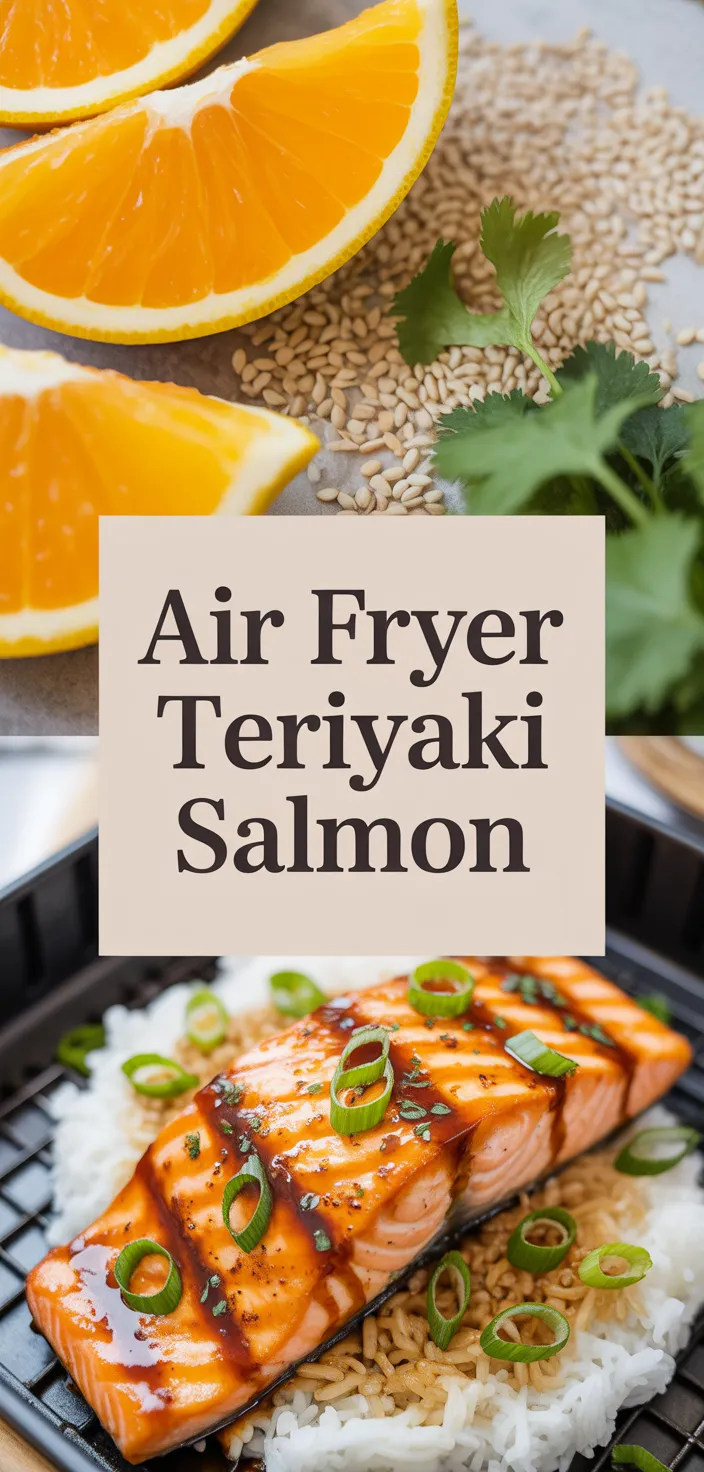
I am obsessed with this teriyaki salmon because it hits every lazy-weeknight craving without drama. I love the sticky glaze from coconut aminos and the little bite of garlic that matters.
I love how it flakes, gets slightly charred at the edges, and smells like dinner that won’t disappoint. I throw it over rice and call it a Salmon Rice Bowl Air Fryer moment or eat it solo when I need protein that doesn’t feel boring.
And yes, I stalk Air Fryer Recipes Salmon for ideas, but this one is the repeat offender. I can’t get enough.
seriously every week.
Ingredients
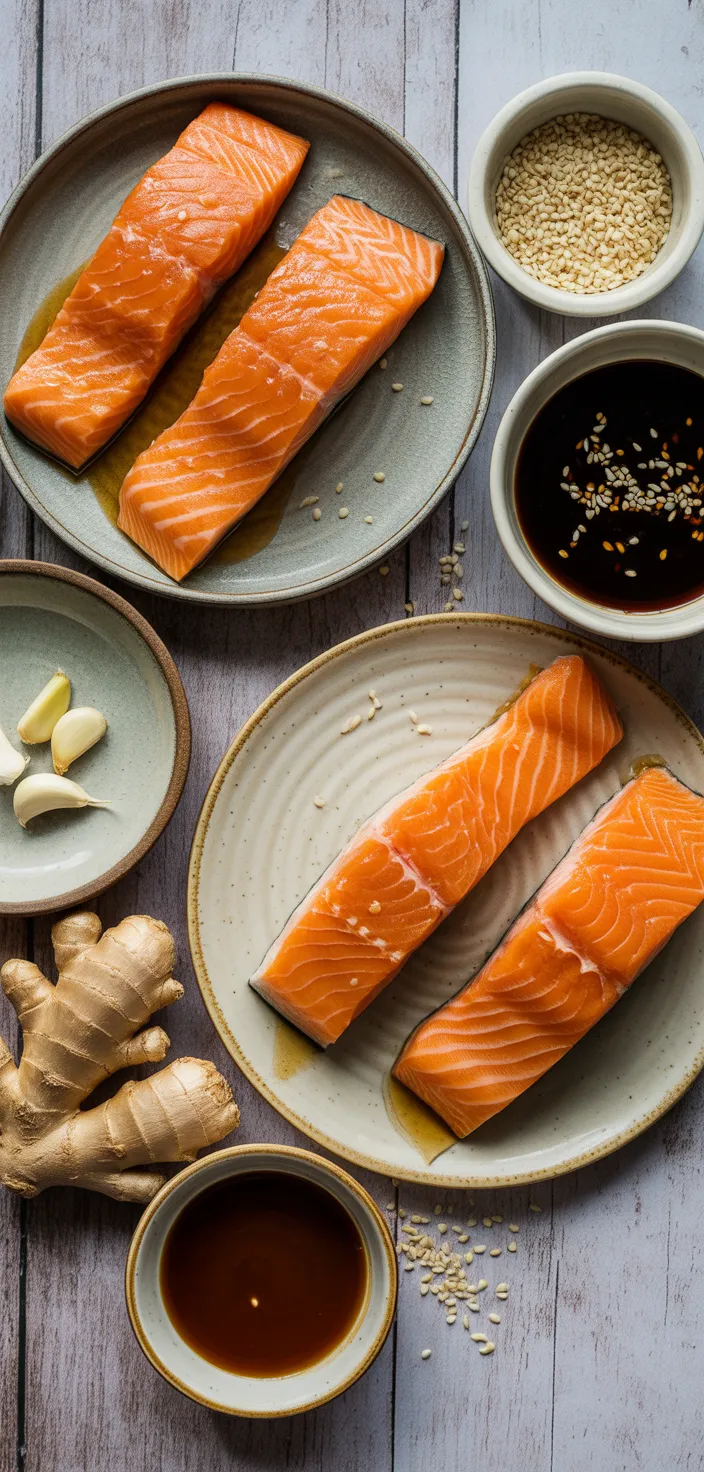
- Salmon: hearty protein, crispy skin if you cook it right, it’s rich and satisfying.
- Tamari or coconut aminos: salty backbone, gives that umami punch to the sauce.
- Brown or coconut sugar: sweetens and helps caramelize, keeps things balanced.
- Honey or maple: adds glossy finish and a warm sweetness, it’s comfort food friendly.
- Rice or apple cider vinegar: brightens the sauce, cuts through the richness.
- Sesame or avocado oil: nutty or neutral fat, helps the sauce feel silky.
- Garlic: sharp bite and aroma, basically essential for depth.
- Ginger: fresh zing, lifts the whole dish and fights heaviness.
- Arrowroot or cornstarch slurry: thickens the glaze so it sticks to the fish.
- Water: thins the sauce so it’s pourable, keeps texture right.
- Toasted sesame seeds: tiny crunch and nutty pop, optional but nice.
- Green onions: fresh, sharp garnish that brightens each bite.
- Salt and pepper: simple seasoning, it’s what makes everything taste like food.
Ingredient Quantities
- 1 to 1 1/4 pounds salmon fillets, skin on, cut into 2 or 3 portions (about 4 fillets)
- 1/4 cup low sodium tamari or coconut aminos (use coconut aminos for paleo)
- 2 tablespoons brown sugar or coconut sugar (coconut sugar for paleo)
- 1 tablespoon honey or maple syrup (maple for strict paleo)
- 1 tablespoon rice vinegar or apple cider vinegar
- 1 tablespoon sesame oil or avocado oil
- 2 cloves garlic, minced (about 1 teaspoon)
- 1 teaspoon fresh ginger, grated
- 1 teaspoon arrowroot powder or cornstarch mixed with 1 tablespoon cold water (arrowroot for paleo)
- 2 to 3 tablespoons water, to thin the sauce as needed
- 1 teaspoon toasted sesame seeds, optional
- 2 green onions, thinly sliced, for garnish
- salt and black pepper, to taste
How to Make this
1. Pat the salmon dry, season both sides with a little salt and black pepper and set aside.
2. In a small bowl whisk together tamari (or coconut aminos), brown sugar (or coconut sugar), honey (or maple), rice vinegar (or apple cider), sesame or avocado oil, minced garlic and grated ginger until the sugar mostly dissolves.
3. Make a slurry by mixing the arrowroot powder (or cornstarch) with 1 tablespoon cold water, then stir that into the sauce.
4. Taste the sauce, add 2 to 3 tablespoons water if it seems too strong or thick, you want a glossy pourable glaze.
5. Heat the sauce briefly in a small saucepan over medium low heat just until it thickens and becomes shiny, stirring constantly, then remove from heat and let cool slightly.
6. Reserve about 2 tablespoons of the cooled sauce for finishing, then brush the remaining glaze all over the salmon, getting some on the skin and edges.
7. Preheat your air fryer to 400 degrees F (about 200 C) for 3 minutes, then place the salmon skin side down in a single layer in the basket, don’t overcrowd.
8. Air fry for 8 to 10 minutes depending on thickness; you want the salmon cooked through but still juicy, it should flake with a fork and read about 125 to 130 F if you use a thermometer.
9. Brush the reserved sauce over the salmon, return to the air fryer for another 30 to 60 seconds to set the glaze if you want it shinier, then remove carefully.
10. Sprinkle with toasted sesame seeds if using, scatter sliced green onions on top and serve immediately.
Equipment Needed
1. Paper towels, to pat the salmon dry and clean up drips
2. Small mixing bowl for the sauce
3. Whisk or fork for mixing the glaze (a fork works fine if you dont have a whisk)
4. Small saucepan to heat and thicken the glaze
5. Measuring cups and spoons for the tamari, sugars, vinegar and other ingredients
6. Tablespoon or small spoon for the arrowroot slurry and tasting
7. Silicone basting brush to coat the salmon with glaze
8. Air fryer (preheats to 400 F) or air fryer oven, make sure the basket fits your fillets
9. Instant read thermometer to check salmon doneness (125 to 130 F is ideal)
10. Tongs or a spatula and a plate or shallow tray to transfer the cooked salmon without tearing the skin
FAQ
Air Fryer Teriyaki Salmon Recipe Substitutions and Variations
- Tamari or coconut aminos
- Soy sauce (regular) — same salty umami, not gluten free
- Amino acids like Bragg Liquid Aminos — similar taste, gluten free
- Low-sodium Worcestershire — a different note but works in a pinch
- Brown sugar or coconut sugar
- Granulated white sugar — same sweetness, less depth
- Maple syrup or honey — liquid sweeteners, a touch more flavor
- Brown rice syrup — less sweet, more mild caramel notes
- Sesame oil or avocado oil
- Olive oil — neutral cooking oil, won’t give toasted sesame flavor
- Peanut oil — good high heat oil with nutty notes
- Tahini (use a little, thin with water) — adds sesame flavor if you dont have the oil
- Arrowroot powder or cornstarch
- Tapioca starch — same thickening power, paleo friendly
- All purpose flour — use more and cook a bit longer to remove raw taste
- Instant mashed potato flakes — odd but they thicken sauces quickly
Pro Tips
– Pat the skin super dry and score it lightly with the tip of a knife, this helps it crisp and keeps the glaze from making the skin soggy. If the skin still looks wet, give it another towel rub before you brush on the glaze.
– Don’t over-marinate. 15 to 30 minutes is plenty for this glaze to penetrate the top of the fillet, any longer and the sugar can start to cure the surface and make it gummy. If you need to prep ahead, keep the salmon plain in the fridge and glaze right before cooking.
– Use a thermometer and pull the salmon at about 125 to 130 F for moist, slightly underdone flakes; it will keep cooking a bit after you take it out. If you like it firmer, go to 135 F, but beware it dries fast so check thickness and timing.
– For the slick glossy finish, reserve some sauce and brush it on after the main cook, then give it 30 to 60 seconds back in the air fryer to set. If the glaze is too thick, thin with a tablespoon or two of water, and if it breaks or separates warm it gently while whisking to bring it back together.
Air Fryer Teriyaki Salmon Recipe
I just whipped up Teriyaki Salmon Air Fryer Recipes that deliver perfectly flaky, caramelized salmon in under 20 minutes and yes it’s gluten free, dairy free and actually weeknight-worthy.
4
servings
350
kcal
Equipment: 1. Paper towels, to pat the salmon dry and clean up drips
2. Small mixing bowl for the sauce
3. Whisk or fork for mixing the glaze (a fork works fine if you dont have a whisk)
4. Small saucepan to heat and thicken the glaze
5. Measuring cups and spoons for the tamari, sugars, vinegar and other ingredients
6. Tablespoon or small spoon for the arrowroot slurry and tasting
7. Silicone basting brush to coat the salmon with glaze
8. Air fryer (preheats to 400 F) or air fryer oven, make sure the basket fits your fillets
9. Instant read thermometer to check salmon doneness (125 to 130 F is ideal)
10. Tongs or a spatula and a plate or shallow tray to transfer the cooked salmon without tearing the skin
Ingredients
-
1 to 1 1/4 pounds salmon fillets, skin on, cut into 2 or 3 portions (about 4 fillets)
-
1/4 cup low sodium tamari or coconut aminos (use coconut aminos for paleo)
-
2 tablespoons brown sugar or coconut sugar (coconut sugar for paleo)
-
1 tablespoon honey or maple syrup (maple for strict paleo)
-
1 tablespoon rice vinegar or apple cider vinegar
-
1 tablespoon sesame oil or avocado oil
-
2 cloves garlic, minced (about 1 teaspoon)
-
1 teaspoon fresh ginger, grated
-
1 teaspoon arrowroot powder or cornstarch mixed with 1 tablespoon cold water (arrowroot for paleo)
-
2 to 3 tablespoons water, to thin the sauce as needed
-
1 teaspoon toasted sesame seeds, optional
-
2 green onions, thinly sliced, for garnish
-
salt and black pepper, to taste
Directions
- Pat the salmon dry, season both sides with a little salt and black pepper and set aside.
- In a small bowl whisk together tamari (or coconut aminos), brown sugar (or coconut sugar), honey (or maple), rice vinegar (or apple cider), sesame or avocado oil, minced garlic and grated ginger until the sugar mostly dissolves.
- Make a slurry by mixing the arrowroot powder (or cornstarch) with 1 tablespoon cold water, then stir that into the sauce.
- Taste the sauce, add 2 to 3 tablespoons water if it seems too strong or thick, you want a glossy pourable glaze.
- Heat the sauce briefly in a small saucepan over medium low heat just until it thickens and becomes shiny, stirring constantly, then remove from heat and let cool slightly.
- Reserve about 2 tablespoons of the cooled sauce for finishing, then brush the remaining glaze all over the salmon, getting some on the skin and edges.
- Preheat your air fryer to 400 degrees F (about 200 C) for 3 minutes, then place the salmon skin side down in a single layer in the basket, don't overcrowd.
- Air fry for 8 to 10 minutes depending on thickness; you want the salmon cooked through but still juicy, it should flake with a fork and read about 125 to 130 F if you use a thermometer.
- Brush the reserved sauce over the salmon, return to the air fryer for another 30 to 60 seconds to set the glaze if you want it shinier, then remove carefully.
- Sprinkle with toasted sesame seeds if using, scatter sliced green onions on top and serve immediately.
Notes
- Below you’ll find my best estimate of this recipe’s nutrition facts. Treat the numbers as a guide rather than a rule—great food should nourish both body and spirit. Figures are approximate, and the website owner assumes no liability for any inaccuracies in this recipe.
Nutrition Facts
- Serving Size: 140g
- Total number of serves: 4
- Calories: 350kcal
- Fat: 20g
- Saturated Fat: 3.5g
- Trans Fat: 0g
- Polyunsaturated: 3.5g
- Monounsaturated: 8g
- Cholesterol: 90mg
- Sodium: 300mg
- Potassium: 600mg
- Carbohydrates: 9g
- Fiber: 0.5g
- Sugar: 8g
- Protein: 32g
- Vitamin A: 100IU
- Vitamin C: 2mg
- Calcium: 40mg
- Iron: 0.6mg